

Why Music Therapy Is Not About Cheerfulness or Positivity at the End of Life
A reflection from a music therapist
By Sarah McInnis, Music Therapist at Valley Hospice
When people hear the words music therapy in hospice, they often imagine something cheerful. A familiar tune. A smile. A moment of lightness meant to lift the mood or distract from what is happening.
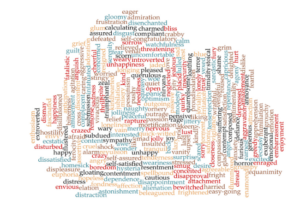 While music can certainly bring warmth, humour, and even joy, hospice music therapy is not about trying to make things feel better in a forced or artificial way. It is not about positivity for the sake of positivity. At the end of life, that approach often misses what people truly need.
Hospice teaches us that comfort does not always look like cheerfulness.
There is no emotional goal to reach
At the end of life, people experience a wide range of emotions, sometimes all in the same hour. Sadness, fear, relief, love, anger, peace, uncertainty. Hospice music therapy does not try to move someone toward a particular emotional state or away from another.
There is no expectation that a session should feel uplifting, hopeful, or resolved.
Instead, music therapy meets people exactly where they are. If someone feels quiet and reflective, the music may be sparse or absent altogether. If someone feels heavy with grief, the music may hold that weight rather than try to lighten it. If laughter shows up, it is welcomed. If tears come, they are not rushed away.
The goal is not to change the emotion, but to honour it.
Positivity can feel isolating at the end of life
Well-meaning positivity can sometimes create distance. When someone is nearing the end of life, being encouraged to stay upbeat or look on the bright side can feel exhausting or dismissive, even if that is not the intention.
Many patients and families are already doing a great deal of emotional labour to protect one another. Patients often try to reassure loved ones. Families try to stay strong for the patient. In that context, being asked to be positive can add another layer of pressure.
Music therapy offers a different invitation. There is nothing to perform. Nothing to maintain. Nothing to fix.
Music becomes a place where people can lay down the effort of coping and simply be.
Music makes room for complexity
One of the unique strengths of music is that it can hold more than one feeling at once. A song can be tender and painful. Comforting and sad. Familiar and unfamiliar. Music does not require emotions to be neat or consistent.
In hospice, this matters.
A song might bring up a memory filled with love and loss at the same time. A melody may feel calming even as grief sits close by. Music allows people to experience what is true for them without needing to explain it or justify it.
There is no need to translate feelings into the right words. The music can carry them as they are.
Silence is part of the work
Another common misconception is that music therapy means constant sound. In reality, some of the most meaningful moments in hospice music therapy are quiet ones.
Silence is not something to be filled automatically. Sometimes it is the space where rest happens. Sometimes it is where emotion settles. Sometimes it is where connection feels most present.
Jazz musician Miles Davis once said, “It’s not the notes you play, it’s the notes you don’t play.” In hospice music therapy, this idea matters deeply. Choosing not to play can be just as intentional as choosing to sing.
Music therapy is guided by listening first, not by the urge to offer sound for the sake of comfort. When silence is what serves best, it is honoured. Silence is not absence. It is part of the music, and often part of the care.
Comfort is about being accompanied, not redirected
At the end of life, comfort often comes from knowing that someone is willing to stay with what is difficult, rather than trying to steer away from it.
Music therapy offers companionship without agenda. It says, you do not have to feel differently for this moment to be okay. You do not have to put on a brave face. You do not have to make this easier for anyone else.
Whether music is present or not, the heart of the work is presence.
Making space for what matters most
Hospice music therapy is grounded in professional training, ethical practice, and deep respect for the emotional and spiritual complexity of end of life. It is not about creating happy moments to counterbalance grief. It is about creating space where authenticity is allowed.
Sometimes that space includes music that brings comfort or familiarity. Sometimes it includes songs that reflect sorrow or longing. Sometimes it includes shared silence, gentle breathing, or simply sitting together.
At the end of life, positivity is not the measure of a good moment.
Connection is.
And sometimes, the most supportive thing music therapy can offer is not a cheerful song, but the permission to feel exactly what is true.